
I went into the debate on one side. I left on the other.
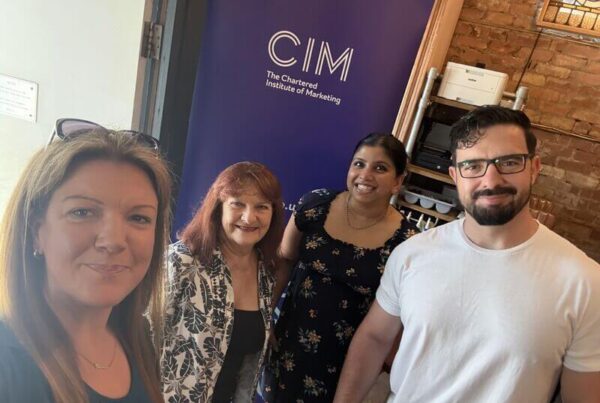
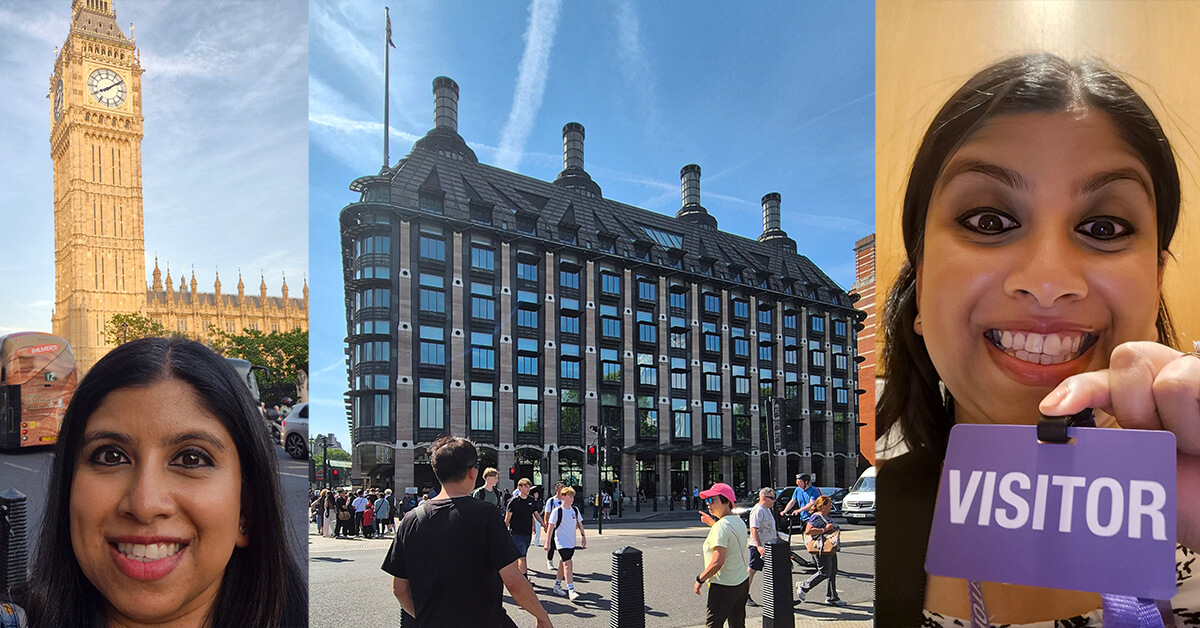
When the CIM invited me to a debate at Portcullis House in Westminster, I cleared my diary immediately.
Not just because it was Westminster. Because the motion was one I’d been thinking about for months and hadn’t quite been able to land on a clear answer to.
“By 2030, advances in AI will render half today’s marketing workforce unnecessary, forcing a redefinition of marketing.”
I sat down with a view. By the time it finished, I’d changed it.
Here’s what shifted.
The debate was chaired by Christine Jardine MP and the speakers were genuinely excellent on both sides. Jay Trestain from IBM Consulting and Duarte Garrido from DoJo AI argued for the motion. Sandrine Desbarbieux-Lloyd, Global CMO at Jabra, and Duncan Smith, CIM Course Director, argued against it.
All four were worth listening to. But it wasn’t the arguments that changed my mind.
It was a word.
Unnecessary.
That’s the language the motion used. And that’s the language that doesn’t hold up when you actually look at what’s happening.
The marketing workforce isn’t being wiped out. It’s changing. And there’s a very important difference between those two things.
Here’s the honest version of what I think is happening.
If your job as a marketer is primarily execution – manual tasks, data input, running the same campaign template week after week – that role is at risk. Not because marketing is dying. Because those tasks can be automated. And most organisations aren’t moving fast enough to redesign what a junior marketing role actually looks like in a world where AI handles the repetitive work.
The people who see this coming and reskill will be fine. The people who don’t will find their roles quietly absorbed by the tools – not in a dramatic moment, but gradually, invisibly.
What I keep coming back to is this.
Marketing has always been about the customer. That hasn’t changed. What’s changing is how we spend our time. Less execution. More strategy. Less doing. More deciding what’s worth doing.
AI can run a campaign. It cannot decide why the campaign matters.
We don’t need fewer marketers. We need a different version of marketers.
And frankly – this is exactly why self-awareness, adaptability and a deep understanding of people matter more now than they ever have. The technical skills will shift. The human ones are what lasts.
I left Westminster more energised about this profession than I’ve felt in a long time.
Which, if I’m honest, I wasn’t expecting to say after a debate about whether half of us will be redundant by 2030.